
Part Wraps in Soham - What to Do While You Wait (and What to Leave to the Professionals)
If your van's part wrap in Soham has been damaged or needs replacing, knowing what you can safely do yourself - and what you definitely should not attempt - will save you from making the job harder and more expensive.
What a Part Wrap Is
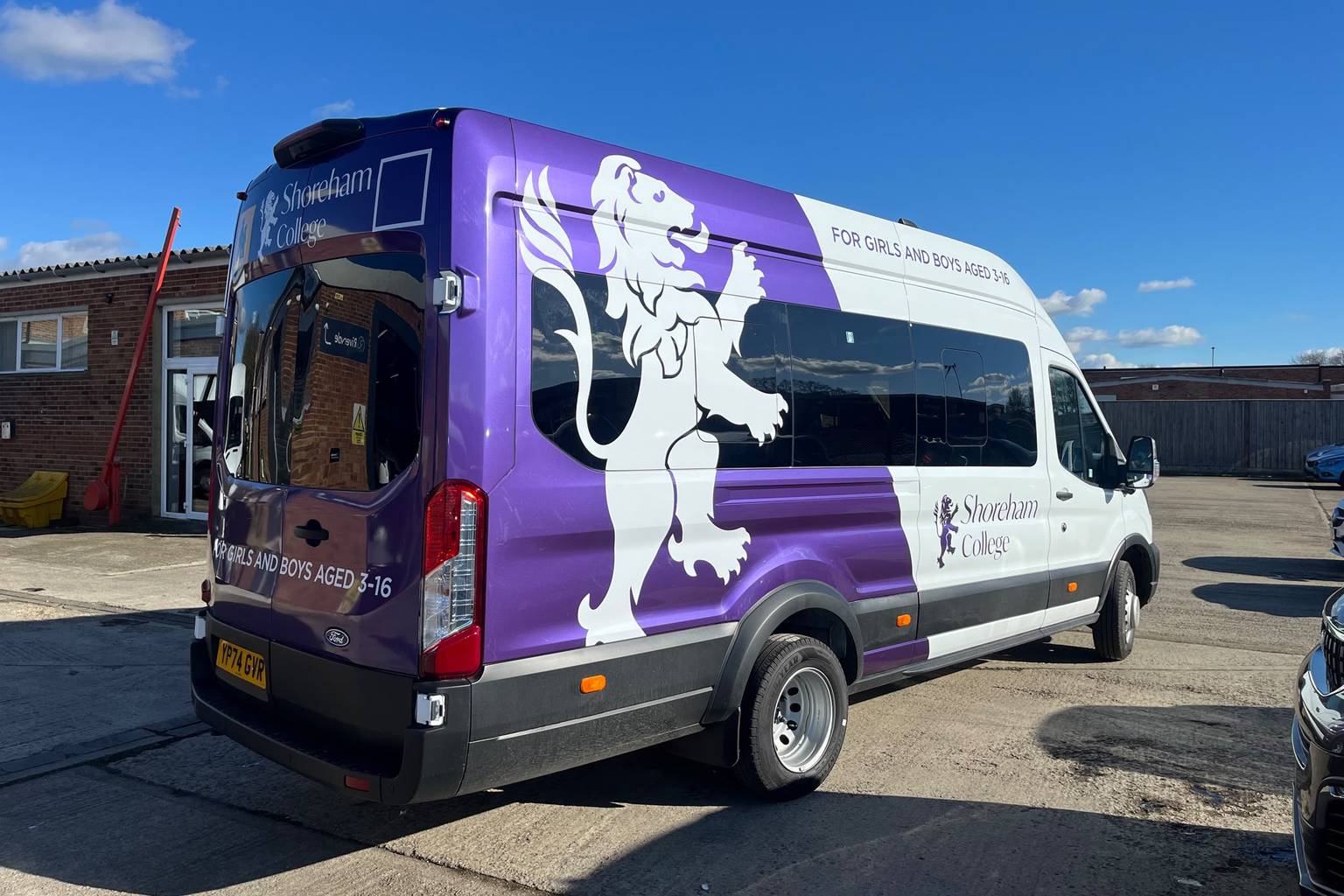
A part wrap means vinyl graphics applied to specific panels of your van rather than the whole vehicle. The rear doors, side panels, bonnet and tailgate are the most common choices. It is a practical, cost-effective way for tradespeople and small businesses to put their name, number and trade on a vehicle without committing to the cost of wrapping every surface.
The vinyl is printed with your design, cut to panel measurements and heat-applied by hand so it conforms properly to the surface. When the job is done right, the edges sit flush, the colours are consistent and the whole thing looks like it belongs on the vehicle. When something goes wrong - whether damage, lifting or simply the end of the material's life - the question becomes what to do next and how urgently.
Common Situations Where You Are Waiting for a Fitter
There are a few scenarios where you have identified a problem with your part wrap but cannot have it seen to immediately. A section is lifting at a door edge. A panel has been scraped in a car park. The vinyl is bubbling along a seam. You have already contacted a contractor but the visit is a few days away.
What you do in that gap matters. Some things you can do that genuinely help. Others will make the eventual job harder, more expensive or less successful.
What You Can Safely Do Yourself
These steps are within reach of any van owner and will not make things worse if done carefully.
- Clean the affected area gently. If dirt or grime has accumulated around a lifting edge, wiping it away carefully with a damp cloth (no abrasives, no solvents) means the fitter is working on a clean surface when they arrive. Do not force the lifted section flat or try to press it back down without proper heat and adhesion.
- Protect a lifted edge from catching. If a corner or edge has lifted and there is a risk it will snag on something - a door frame, another van, a shelf in the back - you can temporarily hold it flat with a small piece of low-tack masking tape. Use masking tape, not gaffer tape or duct tape. Remove it before the fitter arrives and tell them you used it. The goal is to stop the lifted section tearing further, not to fix it.
- Keep the van dry. Water getting behind a lifted section of vinyl accelerates adhesion failure and can cause a larger area to delaminate. If the van is going to be parked outside in wet weather, covering the affected panel with a tarpaulin or even a large plastic bag taped around the edges (not over the vinyl itself) will reduce exposure.
- Photograph the damage clearly. Good photographs of the problem area, taken in decent light, mean you can send them to the contractor and they arrive with the right materials and tools for the specific job. This avoids a wasted first visit where they come to assess and have to come back to fix.
- Note when and how the damage happened. If a panel was scraped, was there a paint transfer? Is the vinyl torn or just lifted? Is the underlying paint intact? This information helps the contractor understand what they are dealing with before they arrive.
What You Should Not Attempt Yourself
These are the actions that cause the most additional damage and cost.
- Do not try to re-adhere a lifting section with any household adhesive. Superglue, contact adhesive, PVA or even double-sided tape will bond to the back of the vinyl in a way that is very difficult to remove cleanly. The result is usually a section that cannot be re-applied properly and needs replacing entirely rather than re-adhering.
- Do not use a heat gun to try to re-apply the vinyl yourself. Vinyl wraps are applied with controlled heat at the right temperature and angle. Too much heat in the wrong place shrinks or distorts the material permanently. Too little and the adhesive does not reactivate. Without the right tools and experience, a heat gun attempt almost always ends in a damaged panel that needs full replacement rather than a simple re-apply.
- Do not try to peel off a large section yourself. Removing wrap vinyl from a panel requires slow, controlled heat to soften the adhesive. Pulling cold vinyl off a panel - especially if it has been on for more than a year - pulls paint with it on older finishes. If you are thinking about peeling off a damaged section to get the van looking cleaner in the meantime, do not. Wait for the professional.
- Do not apply any polish, wax or silicone spray to a panel with a lifting edge. These products get in behind the vinyl and prevent proper re-adhesion. Even a small amount of silicone contamination on the panel surface means the vinyl cannot be re-bonded successfully without full cleaning and preparation.
- Do not park with the damaged panel against a wall or fence. It seems obvious, but pressing a lifting section flat against a rough surface will embed grit in the adhesive and tear the edge further.
When It Becomes Urgent
Most part wrap damage can wait a few days without getting significantly worse if you follow the steps above. But there are situations where you should push to get it seen quickly.
If the vinyl has lifted in a large section and is flapping or catching in the wind while you drive, it will tear further and may detach entirely at speed. A detached section of vinyl on a road is a hazard. In this case, either have it temporarily secured properly or avoid motorway speeds until the fitter can attend.
If the paint underneath a lifted section is already showing signs of rust or corrosion - which sometimes happens on older vans or in areas where the original wrap was applied over compromised paint - moisture getting in behind a lifted wrap will accelerate the problem. Get it looked at sooner rather than later.
Preparing for the Visit
When the fitter is coming to you in Soham, a few practical things make the job go smoothly. Make sure the van is accessible on both sides if more than one panel needs attention. If possible, have it in a covered area or at least in the shade - fitting vinyl in direct summer sun on a hot panel is significantly harder and the results are less predictable. Have the van cleaned before the visit, but leave the affected panel alone and let the fitter prepare it themselves.
If you have your existing brand files - logo in vector format, any original design artwork - have those ready in case a panel needs to be reprinted. A contractor who designs and prints in-house can turn around a reprint quickly if the artwork is available.
Van Wrapping Cambridge - Coming to You in Soham
We travel to our customers and carry out the work at your premises or location, so there is no need to arrange transport for the van. We also carry out wrap removal when needed.
If you have a damaged part wrap in Soham and are not sure how serious it is, call us and describe what you are seeing. We will tell you honestly whether it can wait or whether it needs attention sooner.
Working with us in Soham
- Design and print both done by us, not sent out.
- Old lettering or wraps removed first, if needed.
- Fleet work in Soham split into stages.
- Artwork stored, ready for your next vehicle.
Also available
Other services in Soham
Van Wrapping
We design, print and fit full or partial van wraps in Cambridge, working at your premises so your vehicle never leaves your site.
See detailsCommercial Vehicle Wrapping
We wrap commercial vehicles of all types in Cambridge, designing and printing everything in-house and fitting at your site.
See detailsFleet Wrapping and Branding
We brand entire fleets of commercial vehicles in Cambridge with consistent, professionally printed graphics, designing and fitting everything…
See detailsPart Wraps in Soham?
Let us know what needs branding and we will send a design and price to look over.