
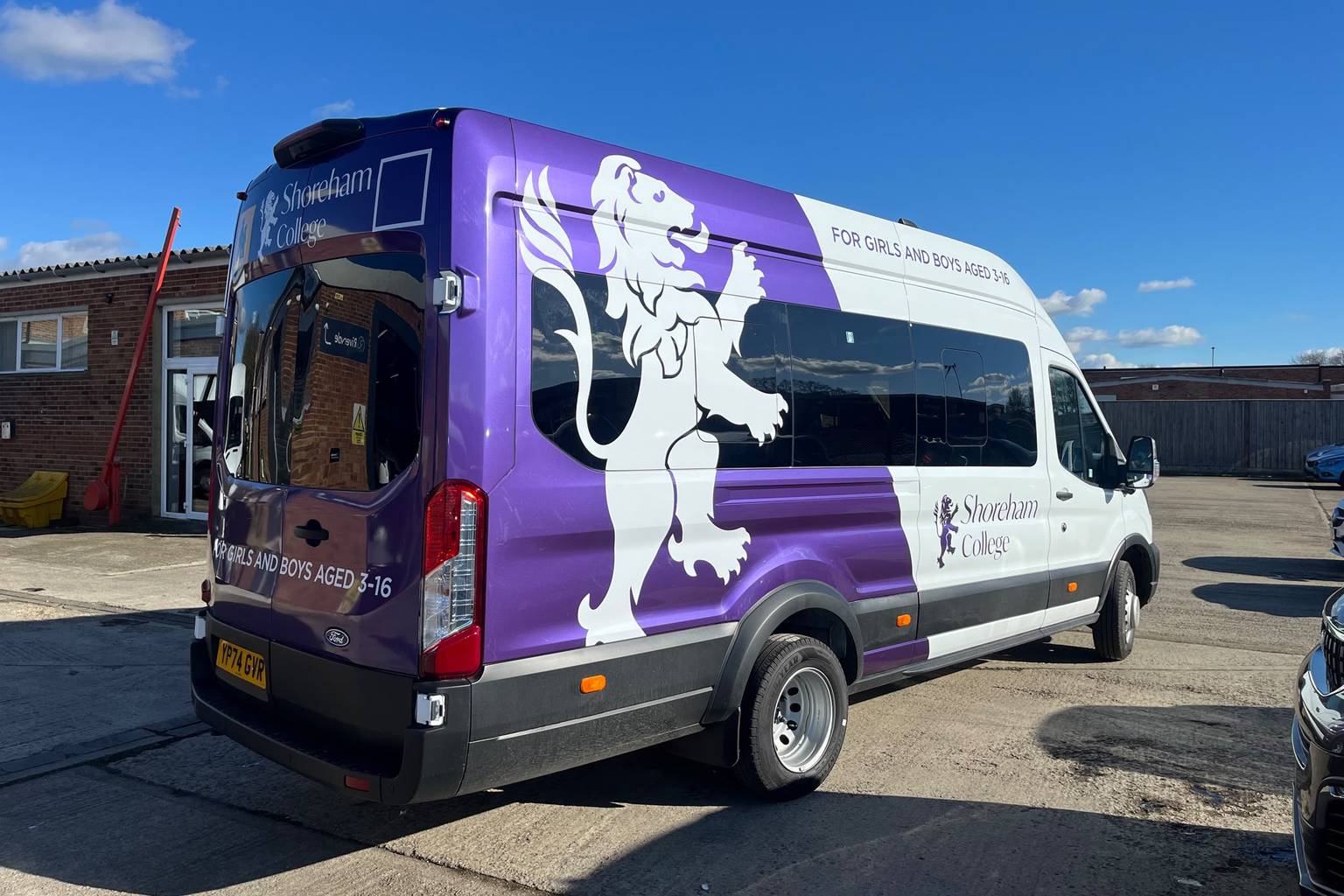
Part Wraps for Vans in Cambourne
Sharp, professional van branding for Cambourne tradespeople and small businesses - without the cost of a full wrap.
What Is a Part Wrap and Is It Right for Your Van?
A part wrap means we cut and apply high-quality vinyl to specific panels of your van rather than covering every surface. Common choices include the rear doors, sliding side door, bonnet, tailgate or a combination of side panels. The result is a branded vehicle that looks deliberate and professional, not half-finished.
For tradespeople and small business owners in Cambourne, part wraps make sense when you want your name, number and trade in front of potential customers every time the van is parked on a job, without committing to a full wrap budget. It is a practical middle ground between magnetic signs and a full vehicle livery.
The Warning Signs That Your Current Van Branding Is Letting You Down
Most van owners do not set out to have poor branding - it usually happens gradually. Here are the signs worth paying attention to.
- Peeling or lifting edges on existing vinyl. This is the most visible sign that a previous wrap or cut vinyl has started to fail. It usually begins at corners and edges where the material was stretched or where adhesion was weakest. Once an edge lifts, moisture and dirt get underneath and the problem accelerates quickly.
- Fading or colour shift. Vinyl exposed to UV degrades over time. White lettering can turn cream or yellow. Dark colours lose saturation. If your branding looks dull or mismatched between panels, it is undermining the professional image you are trying to project.
- Bubbling or silvering beneath the film. Bubbles that appear months after a wrap was applied often indicate that the surface was not properly cleaned and prepared before application, or that a lower-grade film was used. Silvering - a hazy, metallic-looking patch - is a sign of adhesion failure where air or moisture is trapped.
- Magnetic signs that leave marks. Magnetic panels are a popular starter option, but they can trap grit against the paintwork, leave faint outlines over time and fall off at motorway speeds. Many business owners switch to part wraps once they have seen this happen.
- Inconsistent branding across a small fleet. If your second or third van carries different lettering styles, different colours or a different logo treatment, customers and competitors both notice. Part wraps applied from the same design file keep everything consistent.
- Contact details that are out of date. A new phone number or website printed on a wrap panel means the old one needs to come off. We offer wrap removal as part of our service, so updating panels when your details change is straightforward.
What Causes Wrap Problems in the First Place?
Understanding why wraps fail helps you ask the right questions before the next one goes on. The three most common causes are surface preparation, material grade and application conditions.
Surface preparation is the step most likely to be skipped when someone is trying to do the job quickly or cheaply. Vinyl needs a completely clean, degreased, dry surface to bond correctly. Wax, silicone polish, road film and even fingerprints all interfere with adhesion. Panels that have been previously painted or repaired with filler can also cause problems if the underlying surface is not stable.
Material grade matters more than many people realise. There is a significant difference between the thinner, shorter-life cast or calendered films used for indoor or short-term applications and the heavier-gauge conformable films used for vehicle panels. Conformable films stretch around curves and recesses without stress or memory, which means they stay flat and do not try to lift back to their original shape. We use commercial-grade vehicle film throughout.
Application conditions affect the finished result. Film applied in cold or damp conditions does not bond reliably. Heat is used during application to activate the adhesive and help the film conform to panel shapes, but if the temperature drops too quickly afterwards, adhesion can be incomplete. Because we come to your premises or yard, we work in covered or sheltered conditions wherever possible to give the film the best chance of bonding cleanly.
What a Good Part Wrap Job Involves
Knowing what a proper job looks like means you can judge whether any quote you receive reflects real work or a shortcut.
The process starts with a site visit or measurements so we can template the panels accurately. We design and print in-house, which means there is no outsourced print stage that can introduce colour variation or cause delays. The print is then laminated to protect it from UV and abrasion before it goes anywhere near your van.
On the day of fitting, the panels are cleaned and degreased thoroughly before anything is applied. Any door handles, trim strips or badges that sit across the panel edge are taken into account - either the vinyl is cut around them or we advise on how to handle the junction cleanly. Edges are sealed and finished so they are not vulnerable to catching or lifting in everyday use.
Because we travel to Cambourne and surrounding areas to carry out the work at your location, you do not need to bring the van to us or arrange alternative transport for the day. We carry the equipment needed to fit panels on-site.
Which Panels Give the Best Return?
The right panels to wrap depend on where your van spends most of its time and what you want potential customers to see.
- Rear doors or tailgate: High visibility in traffic. Drivers behind you have several seconds to read your name and number. This is often the most effective single panel for call-driving impact.
- Sliding side door: Visible when parked on a job, especially in residential areas where the van is stationary for extended periods. For Cambourne-based trades, this is the panel that neighbours and passing pedestrians see at close range.
- Bonnet: Less common but useful for businesses whose vans are regularly parked nose-out in car parks or driveways, where the front face is what people see first.
- Cab doors: Visible at junctions and in slow-moving traffic from the side. Works well combined with rear door graphics to give coverage from multiple angles.
Typical Costs and What They Cover
Part wrap pricing varies depending on the number of panels, the complexity of the design and the size of the vehicle. As a general guide, a single rear door graphic on a medium van typically costs in the region of £150-£350 fitted, while a more involved job covering rear doors and both cab doors might run to £500-£800. Larger panel areas or complex full-colour designs with photographic elements cost more. These are typical UK market figures - ask us for a specific price based on your van and what you want it to say.
The design work is included because we handle everything in-house. You are not paying a separate design fee to an external agency and then a separate fitting fee to us. The quote covers design, print, lamination and fitting.
Get a Price for Your Cambourne Van
Tell us your van make and model, which panels you want covering and roughly what information needs to go on - your business name, trade, phone number and any logo you have. We will come back to you with a clear price. If you have an existing logo or artwork file, send that across at the same time and it will speed things up.
Working with us in Cambourne
- Design and print both done by us, not sent out.
- Old lettering or wraps removed first, if needed.
- Fleet work in Cambourne split into stages.
- Artwork stored, ready for your next vehicle.
Also available
Other services in Cambourne
Van Wrapping
We design, print and fit full or partial van wraps in Cambridge, working at your premises so your vehicle never leaves your site.
See detailsCommercial Vehicle Wrapping
We wrap commercial vehicles of all types in Cambridge, designing and printing everything in-house and fitting at your site.
See detailsFleet Wrapping and Branding
We brand entire fleets of commercial vehicles in Cambridge with consistent, professionally printed graphics, designing and fitting everything…
See detailsPart Wraps in Cambourne?
Let us know what needs branding and we will send a design and price to look over.