
Part Wraps in Trumpington - Aftercare and Maintenance to Keep Your Graphics Looking Sharp
A part wrap fitted to your van in Trumpington is an investment in your business's appearance - and what you do in the weeks and months after fitting has a direct effect on how long it looks good.
What a Part Wrap Is and What It Needs From You
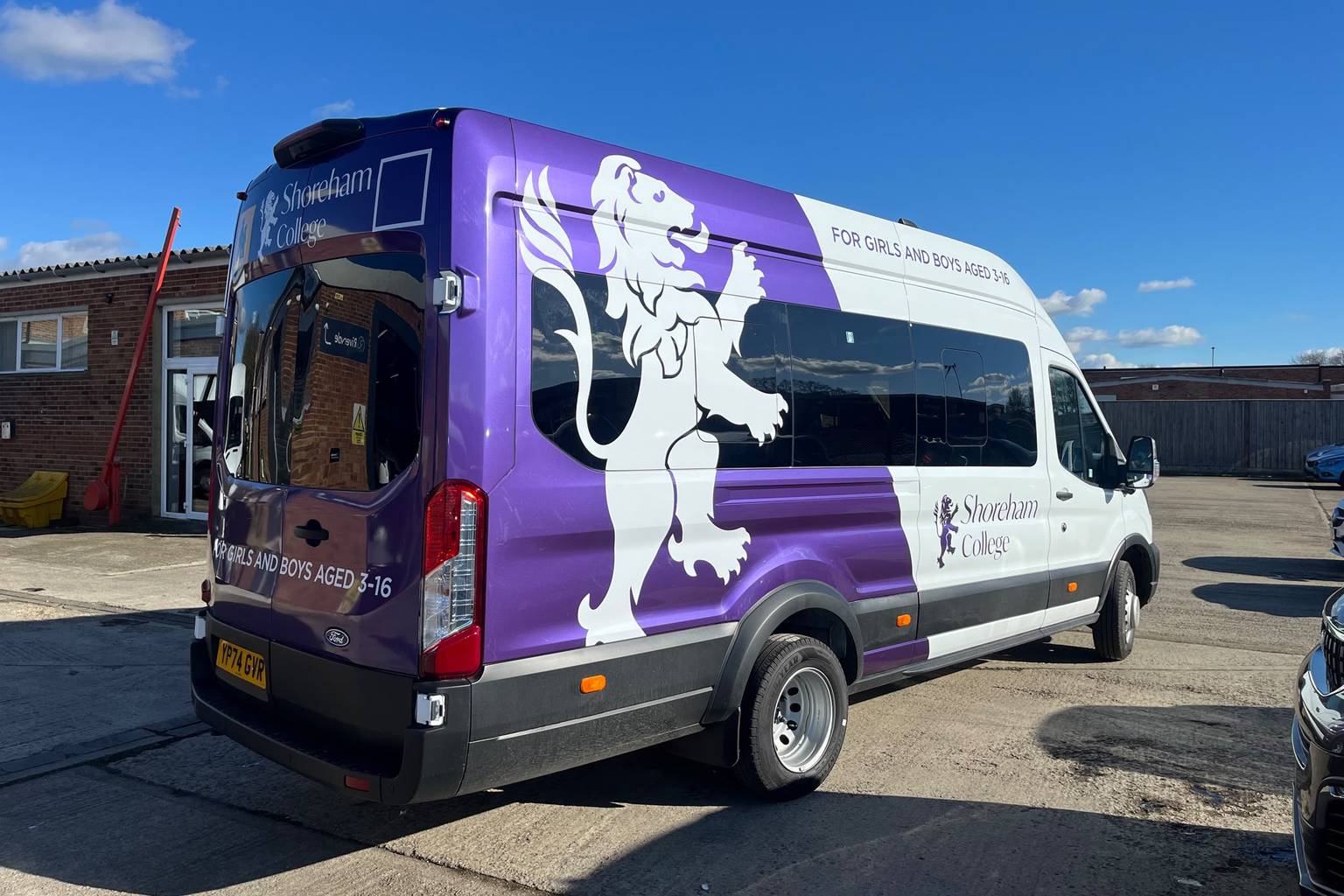
A part wrap means high-quality vinyl applied to specific panels of your van - doors, rear tailgate, bonnet or side panels - rather than covering the whole vehicle. The result is a clean, branded look at a realistic cost for a sole trader or small fleet. But vinyl graphics are not entirely maintenance-free, and a few simple habits will make a significant difference to how well they hold up.
The good news is that aftercare for a part wrap is not complicated or time-consuming. The mistakes that cause early failure are almost always avoidable, and most of them happen in the first few weeks after fitting.
The First 72 Hours After Fitting
The first three days after a wrap is applied are the most important. The adhesive needs time to fully bond to the panel surface, and several things can interfere with that process.
- Keep the van dry for at least 24 hours after fitting. Rain on a fresh wrap before the adhesive has set fully can cause edge lifting, particularly around door handles and panel edges where the vinyl has been tucked and trimmed.
- Avoid pressure washing for at least 72 hours. Even after the wrap is fully cured, high-pressure water directed at panel edges can eventually force water underneath the vinyl.
- Do not wax or polish the wrapped panels in the first week. Waxes and silicone-based polishes can interfere with the edge seal and cause lifting at the trim lines.
These are not unusual restrictions. Any competent fitter will tell you the same. If you are having graphics fitted shortly before a busy period, factor in a couple of days' grace before the van goes back into heavy use.
Washing Your Wrapped Van - What Works and What Doesn't
Regular washing is good for a vinyl wrap. Dirt, road grime, bird droppings and tree sap all degrade the surface over time if left to sit. The method matters though.
Hand washing with a soft cloth or sponge and a mild, non-abrasive detergent is the safest approach. Rinse well and dry with a clean cloth rather than leaving water to dry naturally, particularly in warmer weather where water marks can be difficult to shift from gloss vinyl.
Automatic car washes with rotating brushes should be avoided on wrapped panels. The abrasive action of the brushes dulls the surface finish over time and can catch on panel edges, lifting the vinyl from the trim line. Touchless automatic washes are generally acceptable, but keep the pressure setting moderate if you have any control over it.
Pressure washers can be used at a sensible distance - at least 30 centimetres from the surface - with the nozzle angle kept at 45 degrees or more to the panel surface rather than directly at it. Never direct a pressure washer jet along a panel edge or seam, as this is where water is most likely to get underneath the vinyl.
Fuel and Chemical Spills
Petrol, diesel and traffic film remover will all damage vinyl if left in contact with the surface. If you spill fuel at a forecourt and it runs onto a wrapped panel, wipe it off immediately with a clean cloth. Do not leave it to evaporate. The same applies to brake fluid, oil or any solvent-based cleaner.
Traffic film removers are widely used on vans and are generally fine on vinyl, but check whether the product you use is citrus-based, as high-concentration citrus degreasers can break down the plasticisers in some vinyl films over repeated use. If you are unsure, test any cleaning product on a small, inconspicuous area of the wrap first.
Parking and Storage Habits That Extend Wrap Life
Where and how you park your van has a surprising effect on how well the graphics hold up. UV exposure is the main cause of colour fade in vinyl over time, and parking in direct sun for long periods accelerates the process. Where possible, parking under cover or in shade extends the working life of the graphics noticeably.
Avoid parking repeatedly in the same spot where branches, walls or other vehicles are likely to rub or scrape the wrapped panels. Edge damage that starts as a small scuff can allow moisture to get behind the vinyl and cause a larger section to lift. Catching damage early - and getting it looked at - is far less costly than leaving it to spread.
Spotting Problems Early
Run a quick visual check on your wrapped panels every few weeks. Look at the edges around handles, lights and door frames. These are the areas most likely to show early signs of lifting. A section that has started to lift but has not yet caught dirt underneath can often be re-adhered cleanly. Once dirt gets in behind the vinyl, that area generally needs re-applying.
Bubbles that appear in the middle of a panel rather than at an edge are usually caused by either a trapped air pocket from fitting (which should be dealt with by the original fitter) or a localised adhesion failure caused by contamination at the time of application. Small bubbles sometimes work themselves out in warm weather. Larger ones, or ones that do not reduce over a few weeks, should be looked at by a professional.
When to Have the Wrap Professionally Inspected
There is no fixed schedule for a wrap inspection, but if the graphics are more than two years old and have had heavy outdoor exposure, it is worth having a fitter look at the panel edges before any significant lifting develops. Catching wear before it becomes a full replacement is always the more economical outcome.
If you are having the van rebranded or the wrap removed at the end of its life, professional removal matters. Attempting to strip old vinyl yourself with a heat gun and no experience risks pulling paint with the adhesive, which creates a much more expensive problem than the wrap itself.
Van Wrapping Cambridge - Working in Trumpington
We design and print in-house and come to you to fit the graphics, so there is no need to drop the van off. We also carry out professional removal when you are ready to update or replace your branding. If you have a question about looking after an existing wrap, or want to get new graphics fitted in Trumpington, call us and we will talk it through with you.
Working with us in Trumpington
- Design and print both done by us, not sent out.
- Old lettering or wraps removed first, if needed.
- Fleet work in Trumpington split into stages.
- Artwork stored, ready for your next vehicle.
Also available
Other services in Trumpington
Van Wrapping
We design, print and fit full or partial van wraps in Cambridge, working at your premises so your vehicle never leaves your site.
See detailsCommercial Vehicle Wrapping
We wrap commercial vehicles of all types in Cambridge, designing and printing everything in-house and fitting at your site.
See detailsFleet Wrapping and Branding
We brand entire fleets of commercial vehicles in Cambridge with consistent, professionally printed graphics, designing and fitting everything…
See detailsPart Wraps in Trumpington?
Let us know what needs branding and we will send a design and price to look over.